




|
|



Refund if not satisfied

Support Available

Privacy Confidentiality
© 2024 GuruCool.life. All rights reserved
Roshan | Festivals
2023-11-04
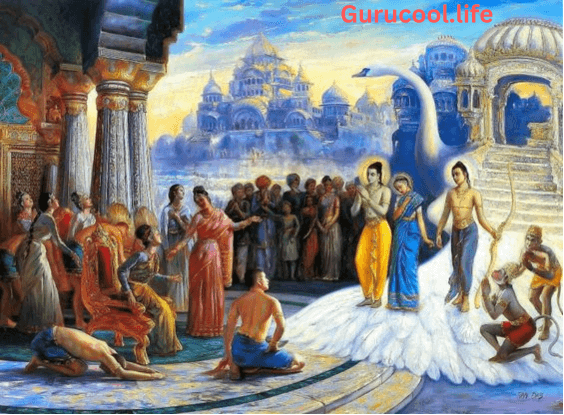
Diwali, one of the most important festivals in India, is marked with joyous excitement. This is a period in which individuals unite to commemorate the victory of light against shadows and of goodness versus badness. In addition, the traditional ceremony of the lighting of lamps and fireworks is often supported by the various Diwali stories which increase both meaning and interest in this holiday. These tales remind people of the essence and real joy of celebrating this day.
One of the well-known Diwali stories associated with Diwali was when Lord Rama, after defeating the demon king Ravana returned to Ayodhya. By the holy book of Hindus- Ramayana, Lord Rama was exiled to the forest for fourteen years along with his wife Sita and sister Laxman. It was not easy for them in this exile where Ravana abducted Sita. Ultimately, Lord Rama won this huge war with the help of “the monkey god’, Hanuman, and an army of trained monkeys.
The festival of Diwali commemorates his return to Ayodhya, and the burning of lights represents the people of Ayodhya lighting up the entire city to welcome their beloved prince back home. This story depicts the triumph of good over evil and the re-establishment of dharma (righteousness) in the world.
Diwali is related in some parts of India to Lord Krishna's victory over the demon Narakasura. Narakasura was a powerful demon who wreaked devastation and frightened the universe, according to the Bhagavata Purana. Lord Krishna defeated Narakasura with the assistance of his wife Satyabhama, freeing the world from his tyranny. In some regions of India, the day of Narakasura's defeat is honored as Diwali. It is said that on this day, Lord Krishna and Satyabhama fought the demon and liberated the imprisoned princesses, bringing peace and happiness.
The narrative of King Bali is another Diwali story. King Bali was a kind and generous king who presided over the kingdom of the Asuras (demons). He was recognized for his enormous power and kindness. However, his expanding power and influence worried the gods, notably Lord Vishnu. To keep the universe in balance, Lord Vishnu assumed the shape of Vamana, a diminutive Brahmin, and addressed King Bali for charity. King Bali, true to his nature, agreed to accept Vamana's request.
Vamana then made an extraordinary request. He requested as much ground as he could cover in three leaps. King Bali accepted, not comprehending that Vamana was none other than Lord Vishnu. Vamana covered the globe in one step and the skies in the next. With little room left for the third step, King Bali donated his skull as the last resting place for Vamana's foot.
This altruistic gesture by King Bali pleased Lord Vishnu, who bestowed a blessing upon him. King Bali requested that he be permitted to visit his realm once a year. Diwali is the day when King Bali comes to earth, and his dedication and selflessness are honored.
In some regions of India, Diwali is associated with the goddess Kali, who is said to have slain the demon Raktavija. According to tradition, Raktavija possessed a unique ability: every drop of his blood lost in a fight created a clone of him. This made him nearly invincible. To counteract this threat, the goddess Kali, a ferocious and powerful divinity, was summoned. She engaged in a horrific struggle with Raktavija, slaying him and drinking his blood to prevent fresh clones from forming. Diwali commemorates Kali's victory over the demon, especially in West Bengal.
Another Indian epic called the Mahabharata which forms part of Hinduism also gives rise to a very famous story about Diwali. The tale describes how both gods and demons churned the sea as they searched for the fountain of youth, or the solution to life. The ocean churned, resulting in the creation of various celestial objects and being like the goddess Lakshmi, denoting plenty and prosperity.
Lakshmi's emergence is honored at Diwali since she is the goddess of prosperity and good fortune. Hindus believe that asking for her blessings during this event will bring them success and abundance. This is why Lakshmi worship is such an important element of Diwali celebrations.
Diwali is more than just one story or legend; it is a holiday that incorporates a range of storylines and regional traditions. These stories reflect various aspects of the event, ranging from the triumph of good over evil to the celebration of togetherness and variety. Diwali reflects India's cultural and religious diversity, and it brings people together regardless of their religious, ethnic, social, or geographical roots. It is a holiday that crosses boundaries and brings people together in the celebration of light and goodness.
Thus, Diwali is much more than about lights; it is a collection of tales and customs handed over from generation to generation. The stories convey meaningful messages on the importance of moral superiority, the triumph of good over bad, and solidarity among different races. During Diwali, families and communities light up lights, bring presents, devour traditional foods, and share the old stories that build the Indian culture and a sense of unity. Likewise, Diwali teaches us that the darkness of ignorance can be vanquished by the brightness of goodness and that the victory of virtue deserves to be celebrated.
Get Insights from Our Expert Astrologer
Get Insights from Our Expert Astrologer
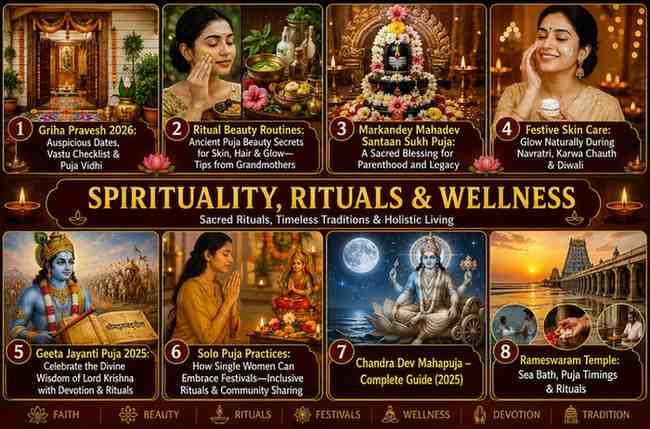
Discover the auspicious Griha Pravesh dates for 2026, complete puja vidhi, Vastu checklist, rituals, and essential tips for a blessed and harmonious housewarming ceremony.
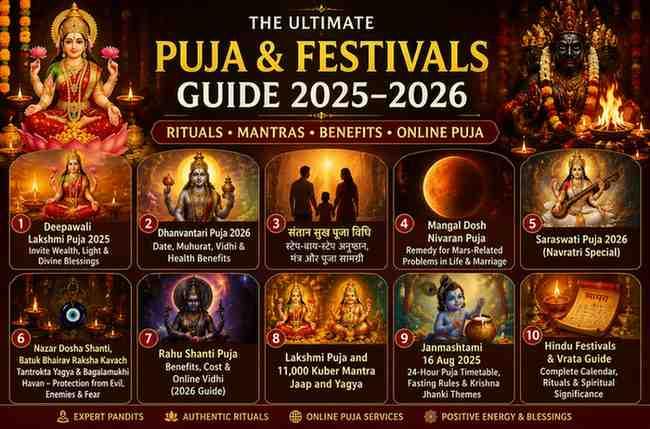
Celebrate Deepawali Lakshmi Puja 2025 with the correct puja vidhi, shubh muhurat, rituals, mantras, and offerings. Invite Goddess Lakshmi’s blessings for wealth, prosperity, happiness, and spiritual growth into your home this Diwali.
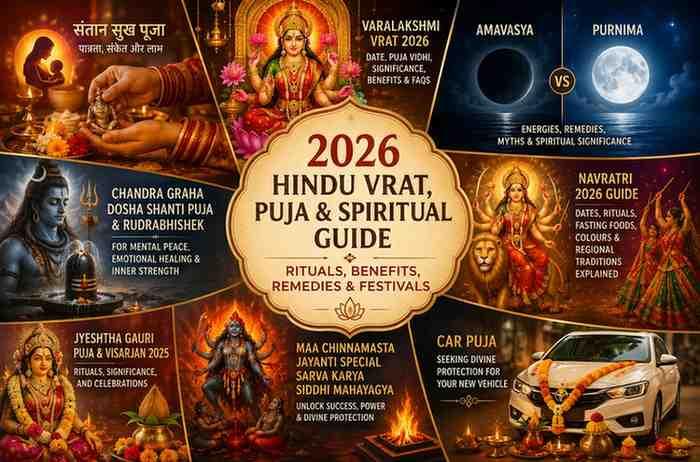
Explore the complete 2026 Hindu Vrat and Puja Guide covering Navratri, Varalakshmi Vrat, Amavasya, Purnima, Dosha Shanti Puja, Car Puja, spiritual remedies, rituals, benefits, and festival traditions.
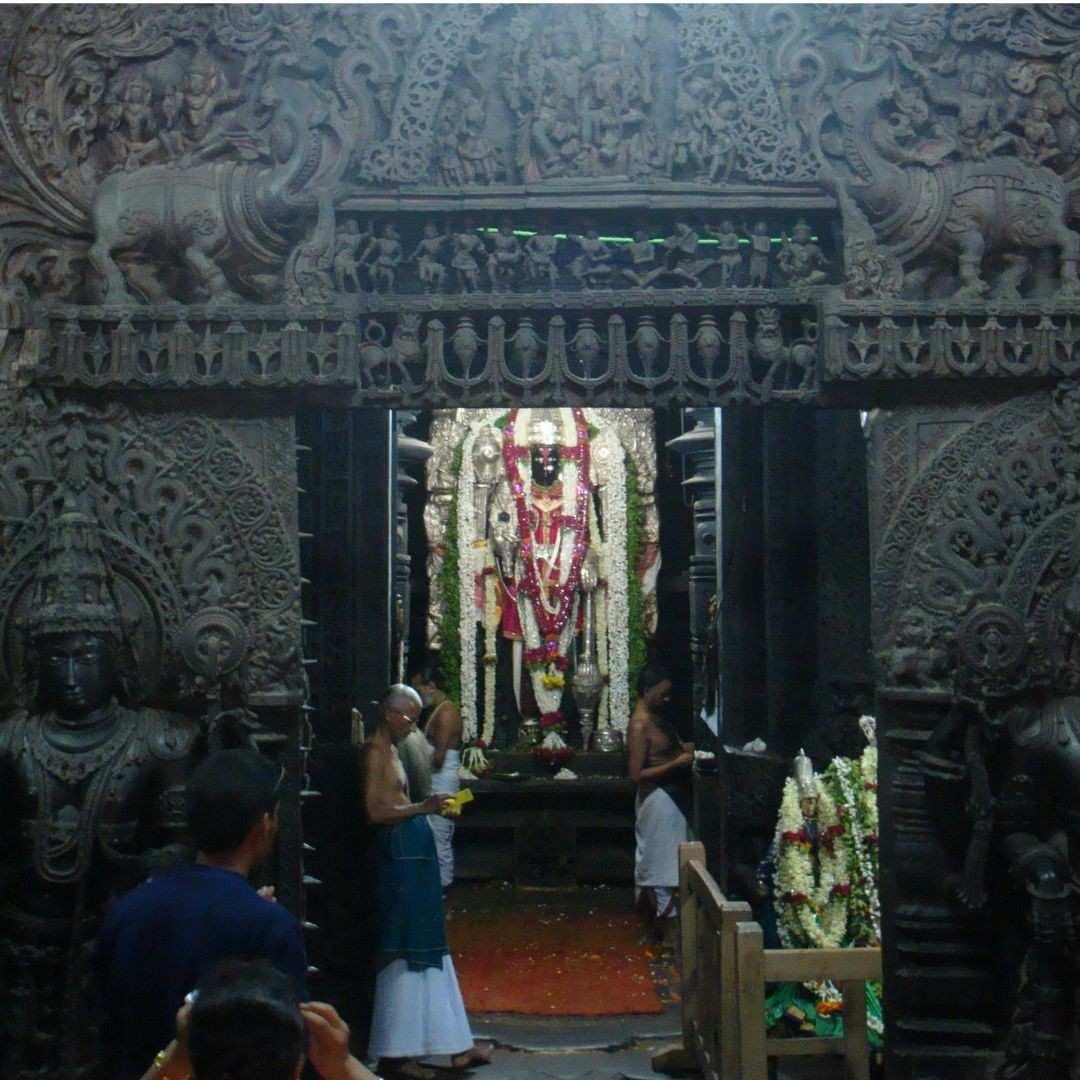
Discover the beauty and spiritual intensity of underground temples in India, where sacred Garbhagrihas create a serene experience.
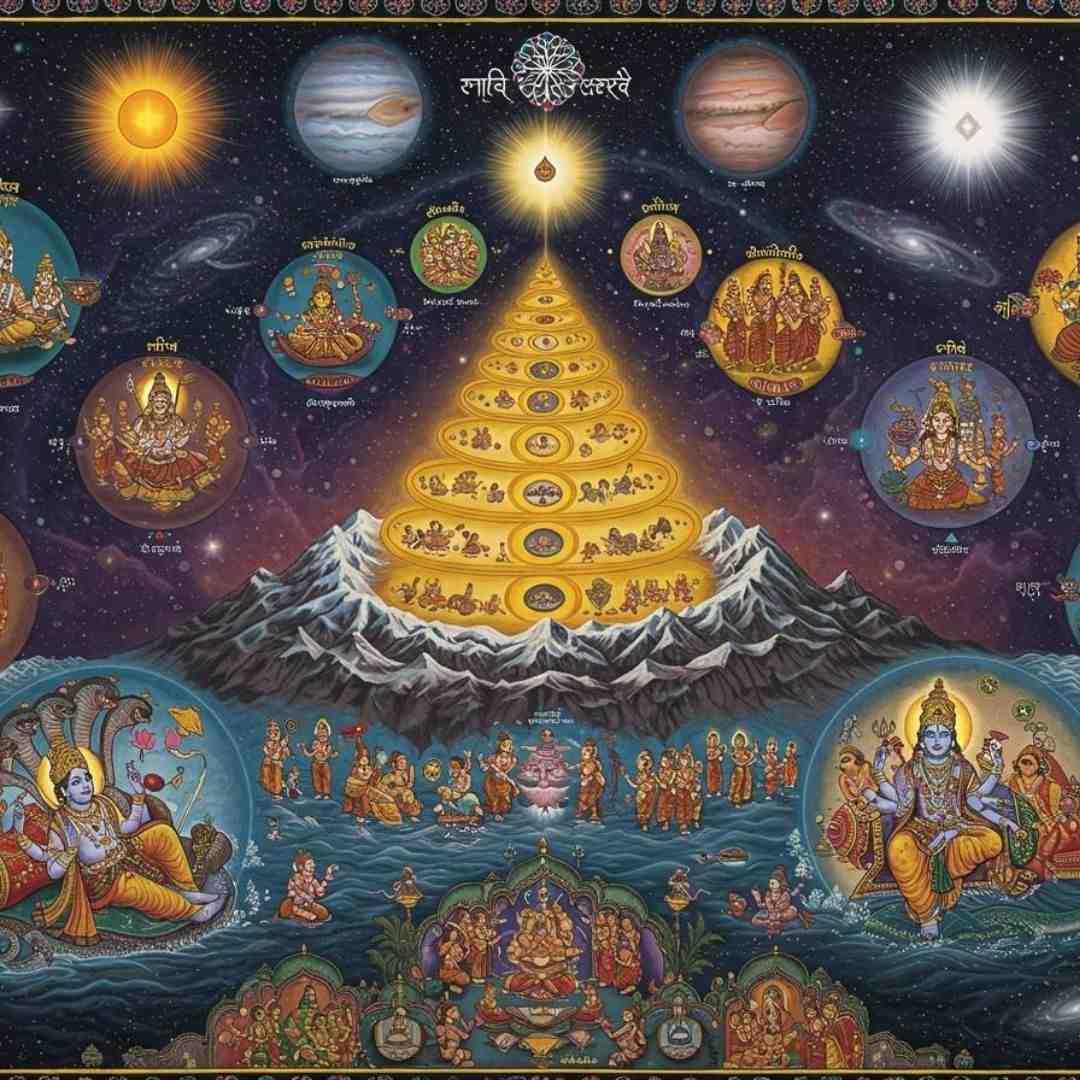
Explore the significance of planetary temples in India and their connection to cosmic energies, Vastu Shastra, and celestial alignment.
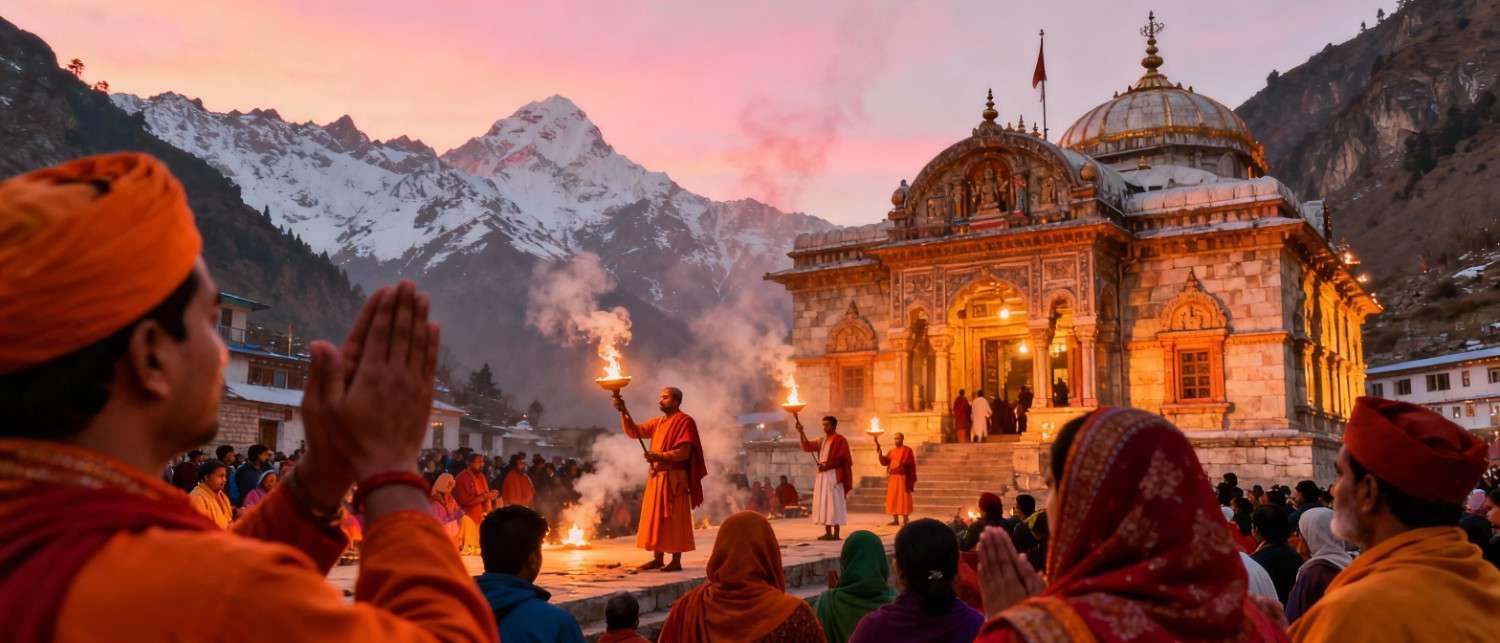
Explore the significance of Krishna Temples, from Dwarka to Vrindavan, showcasing Lord Krishna's diverse avatars and stories.

Shiva Rudra Mantra
316 Downloads
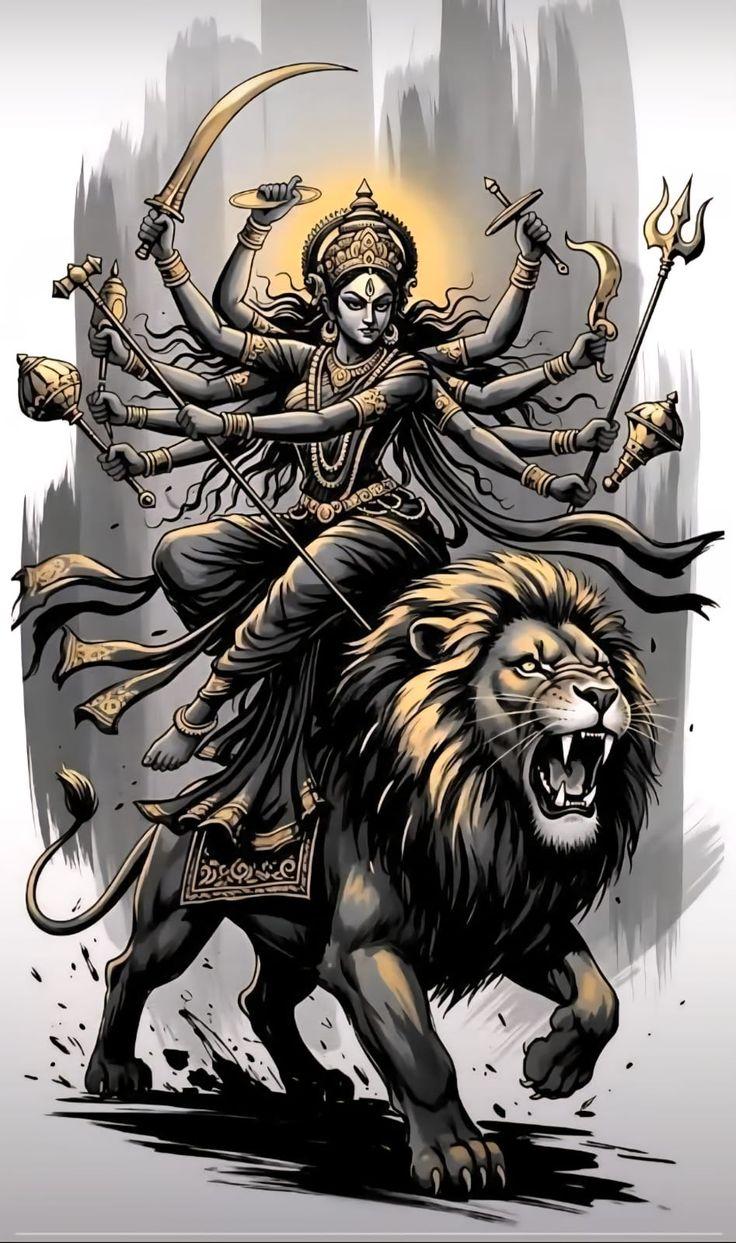
Jai Ambe Gauri
356 Downloads
Khatu Wala Shyam
341 Downloads

Gayatri Mantra Of Hanuman
354 Downloads

Jai Bhole Jai Bhole Ringtone | Mahadev Devotional Ringtone
391 Downloads

Barsane Wali Radha
381 Downloads

Shiva Nirguna Stotra
325 Downloads

Hanuman Lalla Ki Aarti
355 Downloads

Maa Durga Devotional Ringtone
358 Downloads
Kui Bhekawe
360 Downloads
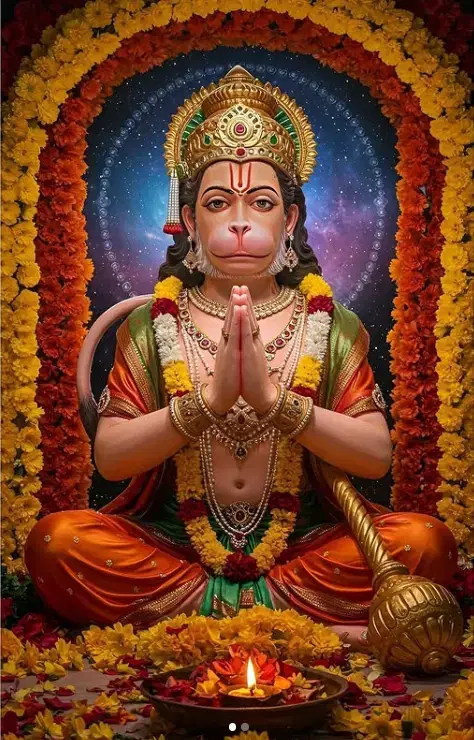
Hanuman Chalisa
334 Downloads

Har Har Mahadev Ringtone | Powerful Shiv Devotional Ringtone 🔱
372 Downloads

Narayanaya Namo Namah
384 Downloads
Haare Ka Sahara
334 Downloads

Shiva Kirtan Ringtone | Powerful Shiv Devotional Ringtone
336 Downloads


